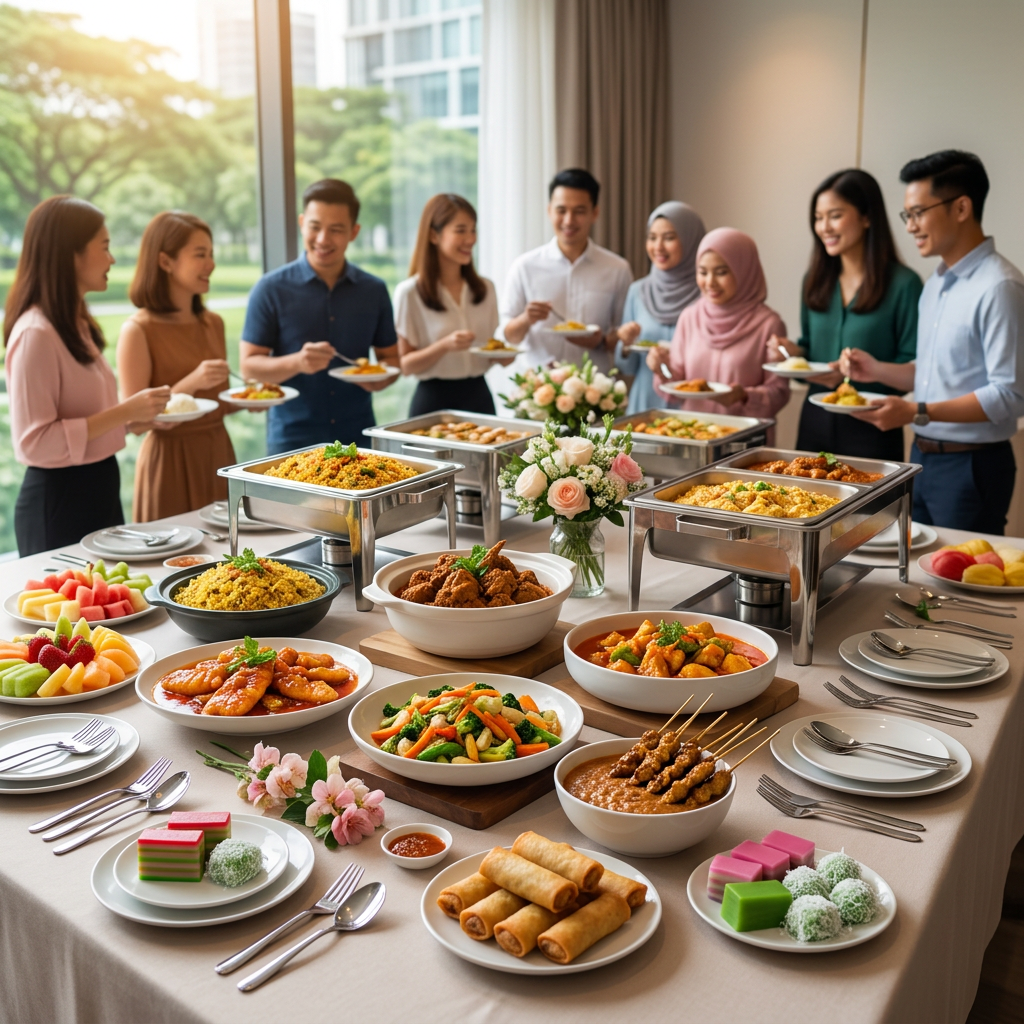
When booking buffet catering Johor Bahru services, one of the most important decisions you’ll face is choosing between Chinese and Western buffet styles—or perhaps combining both. This choice significantly impacts your event’s atmosphere, guest satisfaction, and overall success. While Johor Bahru’s multicultural landscape makes both options popular, understanding the unique characteristics, advantages, and ideal applications of each style helps you make an informed decision that delights your guests and suits your event perfectly. Let’s explore the key differences, compare costs, examine menu options, and discover which buffet style aligns best with your specific event needs.
Understanding Chinese Buffet Catering in Johor Bahru
Chinese buffet catering remains deeply rooted in JB’s culinary culture, offering familiar comfort foods that resonate with the local Chinese community while appealing to Malaysia’s diverse population.
Traditional Chinese Buffet Characteristics
Chinese buffets emphasize bold flavors, communal dining traditions, and dishes that pair perfectly with steamed rice. The cooking techniques showcase wok mastery, steaming expertise, and the delicate balance of flavors central to Chinese cuisine.
Core flavor profiles include:
- Sweet and sour combinations that balance taste dimensions
- Savory umami-rich preparations using soy sauce and oyster sauce
- Aromatic dishes featuring ginger, garlic, and spring onions
- Spicy options incorporating chili and Sichuan pepper
- Light, delicate flavors in steamed fish and vegetables
Typical Chinese Buffet Menu Components
A standard Chinese buffet JB package typically features 8-12 dishes across these categories:
Protein dishes (3-4 options):
- Sweet and sour chicken or pork
- Kung pao chicken with cashew nuts
- Steamed fish with soy sauce
- Curry chicken (a Malaysian-Chinese favorite)
- Black pepper beef
- Honey glazed spare ribs
Rice and noodles (2 options):
- Yangzhou fried rice with mixed ingredients
- White steamed rice
- Fried noodles (mee goreng or chow mein)
- Fried bee hoon (rice vermicelli)
Vegetable dishes (2-3 options):
- Stir-fried mixed vegetables
- Buddha’s delight (vegetarian mixed vegetables)
- Braised tofu with mushrooms
- Stir-fried kailan with garlic
Soups (1 option):
- Chinese herbal soup
- Hot and sour soup
- Egg drop soup
- Winter melon soup
Appetizers:
- Spring rolls
- Prawn fritters
- Dim sum selections
Cultural Significance and Guest Expectations
For many Chinese families in Johor Bahru, these dishes carry nostalgic value and cultural significance. Serving Chinese buffets at weddings, birthday celebrations, and family reunions honors tradition while providing the comfort of familiar flavors. Guests often expect these authentic tastes at significant life events, making Chinese buffets a safe, appreciated choice.
Advantages of Chinese Buffet Style
Familiarity: Most JB residents have grown up eating these dishes and appreciate traditional preparations
Cost-effectiveness: Chinese ingredients are readily available locally, keeping costs competitive
Rice-based: Filling carbohydrates stretch budgets while satisfying appetites
Family-friendly: Mild to moderate spice levels suit all ages
Versatile portions: Dishes work well for both small and large gatherings
Exploring Western Buffet Catering Options
Western buffets bring international flair to Johor Bahru events, offering contemporary alternatives that appeal to younger generations and cosmopolitan tastes.
Western Buffet Characteristics
Western catering service JB focuses on individual dish integrity, precise plating aesthetics, and cooking techniques like roasting, grilling, and baking. The presentation often emphasizes visual appeal with garnishes and color contrasts.
Core flavor profiles include:
- Herb-based seasonings (rosemary, thyme, oregano, basil)
- Cream and cheese richness in sauces
- Grilled and roasted meat flavors with caramelization
- Fresh, crisp salads with vinaigrette dressings
- Buttery, savory side dishes
Typical Western Buffet Menu Components
A standard Western buffet package offers 6-10 dishes including:
Protein dishes (2-3 options):
- Grilled chicken chop with mushroom or black pepper sauce
- Fish fillet (grilled, baked, or pan-seared)
- Roasted chicken with herbs
- Beef stew or beef stroganoff
- Lamb chop (premium packages)
- Honey-baked chicken wings
Carbohydrates (2-3 options):
- Pasta varieties (carbonara, bolognese, aglio olio)
- Mashed potatoes
- French fries or potato wedges
- Garlic bread
- Rice pilaf
Vegetable and salad options (2-3 selections):
- Garden salad with assorted dressings
- Caesar salad
- Coleslaw
- Grilled vegetables (zucchini, bell peppers, carrots)
- Buttered corn
Soups (1 option):
- Cream of mushroom
- Minestrone
- Pumpkin soup
- Chicken chowder
Bread and accompaniments:
- Dinner rolls
- Garlic bread
- Butter portions
Modern Appeal and Trendy Atmosphere
Western buffets project a contemporary, cosmopolitan image that appeals particularly to:
- Corporate events seeking professional atmospheres
- Modern weddings with international themes
- Young professionals and urban millennials
- Events aiming for Instagram-worthy presentations
- Guests who travel frequently or have international exposure
Advantages of Western Buffet Style
Sophisticated presentation: Often perceived as more upscale and modern
Lighter options: Salads and grilled items suit health-conscious guests
International appeal: Familiar to expatriates and internationally-minded locals
Variety in textures: Crispy, creamy, and tender elements create interest
Premium perception: Often associated with higher-end dining experiences
Direct Comparison: Chinese vs Western Buffets
Let’s compare these two styles across key decision-making factors to help you choose the right option for your event.
Cost Comparison
Chinese buffet pricing:
- Standard packages: RM20-RM35 per person
- Premium packages: RM35-RM45 per person
- Cost drivers: Seafood inclusions, premium proteins, dish count
Western buffet pricing:
- Standard packages: RM25-RM40 per person
- Premium packages: RM40-RM55 per person
- Cost drivers: Imported ingredients, premium cuts, specialized sauces
Verdict: Chinese buffets generally offer slightly better value, with prices approximately 15-20% lower for comparable package tiers. However, the difference narrows at premium levels.
Guest Satisfaction Factors
Chinese buffet excels with:
- Multi-generational Chinese families
- Traditional celebrations and cultural events
- Guests preferring familiar, comfort foods
- Rice-loving attendees
- Budget-conscious hosts
Western buffet excels with:
- Corporate and business events
- Modern, urban professional crowds
- International or mixed-culture guest lists
- Younger demographics seeking trendy options
- Events emphasizing visual presentation
Dietary Accommodation
Chinese buffets:
- Easily accommodate halal requirements with no pork, no lard options
- Good vegetarian variety through Buddhist culinary traditions
- Naturally gluten-free options (rice, steamed dishes)
- May contain MSG or high sodium levels
- Soy and shellfish allergens common
Western buffets:
- Straightforward meat identification (easier for religious restrictions)
- Excellent salad options for vegetarians
- Dairy and gluten feature prominently (potential allergens)
- Low-carb options available (grilled meats, vegetables)
- Generally lower sodium than Chinese preparations
Verdict: Both styles accommodate most dietary needs, but Chinese buffets traditionally handle halal requirements more naturally, while Western buffets suit low-carb preferences better.
Preparation and Equipment Requirements
Chinese buffets:
- Wok cooking requires high heat and expertise
- Dishes benefit from last-minute stir-frying for optimal texture
- Maintain quality well in chafing dishes
- Rice requires proper steaming equipment
- Sauces integral to dishes (not separate)
Western buffets:
- Roasting and baking suit advance preparation
- Sauces often served separately for customization
- Some items (fries, pasta) can deteriorate if held too long
- Requires temperature precision for food safety
- More garnishing and presentation elements
Verdict: Chinese buffets generally maintain quality longer in buffet service, while Western presentations may look impressive initially but require more attention to keep items fresh throughout service.
Portion and Satiety Considerations
Chinese buffets:
- Rice-heavy meals provide substantial filling power
- Guests typically consume smaller protein portions
- Multiple small tastings of various dishes common
- One serving usually satisfies completely
- Economical for feeding large groups
Western buffets:
- Protein-focused plates require larger portions to satisfy
- Carbohydrates play supporting roles
- Guests often return for seconds
- May require higher quantities per person
- Premium ingredients justify higher costs
Cultural Appropriateness
Consider your event’s cultural context when choosing styles.
Chinese buffets are ideal for:
- Chinese New Year celebrations
- Traditional Chinese weddings (especially tea ceremonies)
- Ancestral worship gatherings
- Multi-generational family reunions
- Community associations and clan gatherings
Western buffets are ideal for:
- Corporate annual dinners
- Product launches and business networking
- Contemporary weddings with modern themes
- Graduation celebrations
- International organization events
The Best of Both Worlds: Fusion Buffet Options
Many modern buffet catering Johor Bahru providers now offer fusion packages combining Chinese and Western elements, providing the ultimate flexibility for diverse guest lists.
Fusion Menu Advantages
Maximum guest satisfaction: Every attendee finds familiar favorites regardless of preference
Cultural bridge-building: Demonstrates inclusivity and respect for diversity
Conversation starter: Interesting food combinations encourage social interaction
Photogenic variety: Diverse presentations create visual interest
Risk mitigation: Hedges against guest preference uncertainty
Sample Fusion Menu
A typical fusion buffet might include:
Chinese selections:
- Sweet and sour chicken
- Curry chicken
- Fried rice
- Stir-fried vegetables
Western selections:
- Grilled chicken chop with black pepper sauce
- Pasta carbonara
- Garden salad with dressings
- Potato wedges
This balanced approach offers 8 dishes representing both culinary traditions, ensuring comprehensive guest satisfaction.
Fusion Buffet Considerations
Slightly higher costs: Requires sourcing ingredients for both cuisines, typically adding 10-15% to costs
Larger buffet space: More dishes require additional table length
Potential flavor confusion: Ensure compatible flavor profiles when guests mix cuisines
Quality focus: Better to offer fewer excellent dishes than many mediocre ones
Making Your Decision: Key Questions to Ask
Use these questions to guide your buffet style selection:
1. Who Are Your Guests?
Choose Chinese buffet if:
- Majority are local Chinese Malaysians aged 40+
- Traditional families expecting cultural authenticity
- Children and elderly guests preferring familiar foods
Choose Western buffet if:
- Young professionals and urban millennials dominate
- International attendees or expatriates participating
- Corporate environment requiring contemporary image
Choose fusion buffet if:
- Diverse age ranges and backgrounds
- Mixed cultural representation
- Uncertain about guest preferences
2. What’s Your Budget?
For budget-conscious events (RM20-30 per person), Chinese buffets offer better value and higher perceived satisfaction. For premium events (RM40+ per person), Western buffets provide the upscale atmosphere that justifies higher spending.
3. What’s Your Event Type?
Chinese buffets suit:
- Family celebrations (birthdays, anniversaries)
- Cultural festivals and traditional ceremonies
- Community gatherings and clan associations
- Multi-generational events
Western buffets suit:
- Corporate functions and business events
- Modern weddings with contemporary themes
- Professional networking occasions
- Events emphasizing sophisticated ambiance
4. What Are Your Venue and Timing Constraints?
Chinese buffets:
- Maintain quality in chafing dishes for 2-3 hours
- Require less replenishment frequency
- Suit both indoor and outdoor venues
- Handle heat and humidity better
Western buffets:
- Some items require more frequent monitoring
- Ideal for climate-controlled indoor venues
- Presentation degrades faster in outdoor heat
- May need more frequent replenishment
5. What Dietary Requirements Must You Accommodate?
Both styles accommodate most dietary needs, but consider specific requirements:
For halal requirements: Chinese no pork, no lard options often feel more natural
For vegetarian guests: Both offer good options; Western salads provide freshness
For low-carb preferences: Western grilled meats and vegetables work better
For gluten-free needs: Chinese rice-based dishes naturally accommodate
For dairy-free requirements: Chinese cuisine generally avoids dairy
Expert Recommendations from Johor Bahru Caterers
Professional catering service JB providers offer these insights based on thousands of events:
For weddings: Fusion buffets receive highest satisfaction scores (92% positive feedback) by accommodating diverse guest preferences while honoring cultural significance.
For corporate events: Western buffets project professionalism and modernity, with 87% of companies choosing this style for formal business functions.
For family gatherings: Chinese buffets remain the overwhelming favorite (78% selection rate) for multi-generational celebrations valuing tradition.
For community events: Chinese buffets offer best value for large groups, stretching budgets further while satisfying local palates.
For international events: Western or fusion options accommodate diverse backgrounds more effectively, with 83% of events with expatriate attendance choosing these styles.
Buffet2U as a premium buffet catering provider in Johor Bahru offers extensive experience with both Chinese and Western styles, plus custom fusion options. Their consultants help clients navigate this decision based on specific event requirements, guest demographics, and budget considerations.
Making the Final Choice
There’s no universally “correct” answer to the Chinese versus Western buffet question—the right choice depends entirely on your unique event circumstances. Consider these final thoughts:
Trust your instincts about your guests: You know your attendees better than anyone. What would genuinely delight them?
Consider the occasion’s significance: Milestone celebrations might warrant traditional choices, while casual gatherings allow experimentation.
Don’t sacrifice quality for variety: A smaller menu of excellently prepared dishes surpasses a large spread of mediocre food, regardless of style.
Communicate with your caterer: Professional buffet catering providers offer valuable insights based on similar events they’ve catered.
Sample before committing: Many caterers offer tasting sessions. Experience both styles firsthand before making final decisions.
Whether you choose the comforting familiarity of Chinese cuisine, the contemporary sophistication of Western preparations, or the best-of-both-worlds fusion approach, quality ingredients, professional preparation, and attentive service matter most. With thoughtful consideration of your guests, budget, and event goals, you’ll select the buffet style that transforms your Johor Bahru event into a memorable culinary experience.
Ready to start planning your perfect buffet? Contact experienced Johor Bahru caterers today to discuss menu options, view sample packages, and create a customized buffet that delights every guest at your upcoming event.